New Energy World™
New Energy World™ embraces the whole energy industry as it connects and converges to address the decarbonisation challenge. It covers progress being made across the industry, from the dynamics under way to reduce emissions in oil and gas, through improvements to the efficiency of energy conversion and use, to cutting-edge initiatives in renewable and low-carbon technologies.
First production of vegetable oil for biorefining in Kenya
27/7/2022
News

Eni of Italy has built an oilseed collection and pressing plant (agri-hub) in Makueni, Kenya, and started production of what the company claims is the first vegetable oil for biorefining in the African country.
The agri-hub has an installed capacity of 15,000 tonnes and is expected to produce 2,500 tonnes this year.
According to Eni, this is ‘the first integrated project in the world to bring Africa into the vertical biorefinery supply chain by providing income opportunities and market access to thousands of farmers in degraded areas’.
The agri-hub will process castor, croton and cottonseeds to extract vegetable oil. ‘These are sustainable, agri-feedstock raw materials that do not compete with the food supply chain because they come from crops that are resistant to aridity and suitable for growing on degraded soils,’ says Eni. It adds: ‘The facility will also produce feed and biofertilisers derived from the protein component of the seeds for the benefit of livestock and food production, contributing to food security.’ The centre will also act as a training and technical support hub for farmers.
Eni Kenya, its supply chain and agri-feedstocks have been certified under the International Sustainability and Carbon Certification (ISCC-EU) sustainability scheme, one of the main voluntary standards recognised by the European Commission for biofuel certification (RED II). Eni also reports it is the first company in the world to certify castor and croton for biofuel use under the ISCC-EU scheme and has also enabled an African cotton mill to achieve the certification standard for the first time, offering new market opportunities to local farmers for the fibre.
Eni Kenya, in partnership with ISCC within a Horizon 2020 project, is also taking steps to obtain Low ILUC (low risk of direct and indirect land use change) certification in the next few months.
The first phase of the project in Kenya includes the construction of a second agri-hub to reach a total capacity of 30,000 t/y of vegetable oil in 2023, as well as the development of associated agricultural supply chains.
The start-up of production in Kenya represents the first step in Eni’s agro-industrial chain initiatives. Over the past year, agreements have been signed in several countries including Congo, Mozambique, Angola, Ivory Coast, Benin, Kazakhstan and Rwanda, where feasibility studies have been launched with a view to carrying out a first phase of agricultural activities in 2022 and then proceeding to construction of seeds pressing plants for biorefining.
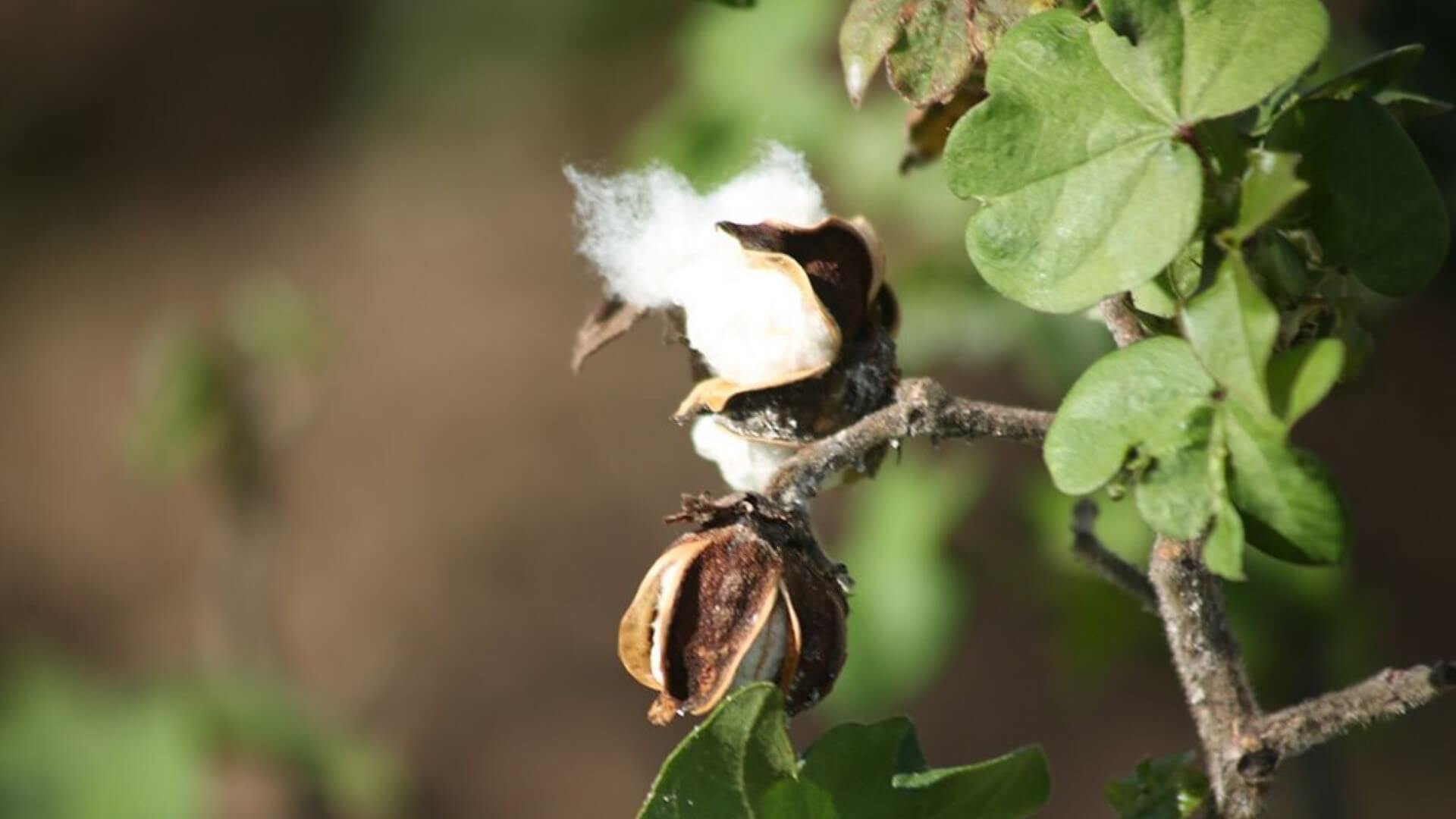
The agri-hub will process castor, croton and cottonseeds to extract vegetable oil, also producing feed and biofertilisers, and providing training and technical support to local farmers
Photo: Eni