


New Energy World™
New Energy World™ embraces the whole energy industry as it connects and converges to address the decarbonisation challenge. It covers progress being made across the industry, from the dynamics under way to reduce emissions in oil and gas, through improvements to the efficiency of energy conversion and use, to cutting-edge initiatives in renewable and low-carbon technologies.
Geoscience should avert a rocky start for carbon storage
12/10/2022
6 min read
Feature

Large quantities of CO2 will need to be stored if carbon capture and storage (CCS) is to play a part in the energy transformation. Here, AGR’s Manager of Reservoir Engineering, Gudmund Olsen, explains how subsea sites are assessed for suitability.
The UK’s inaugural licensing round to win permits to store CO2 under the seabed is now closed. A total of 13 new areas are up for grabs, made up of a variety of saline aquifers and depleted oil and gas field sites, which aim to lock away between 20–30mn t/y of CO2 by 2030.
Located off the coasts of Aberdeen, Teesside, Liverpool and Lincolnshire in the northern, central and southern North Sea, and East Irish Sea, the acreage on offer is in close proximity to infrastructure that could be repurposed to capture CO2 emissions from large-scale industrial processes and facilities – see Fig 1. From there, it will be transported, via ship or through a pipeline, for storage in deep-lying, geological formations, offshore.
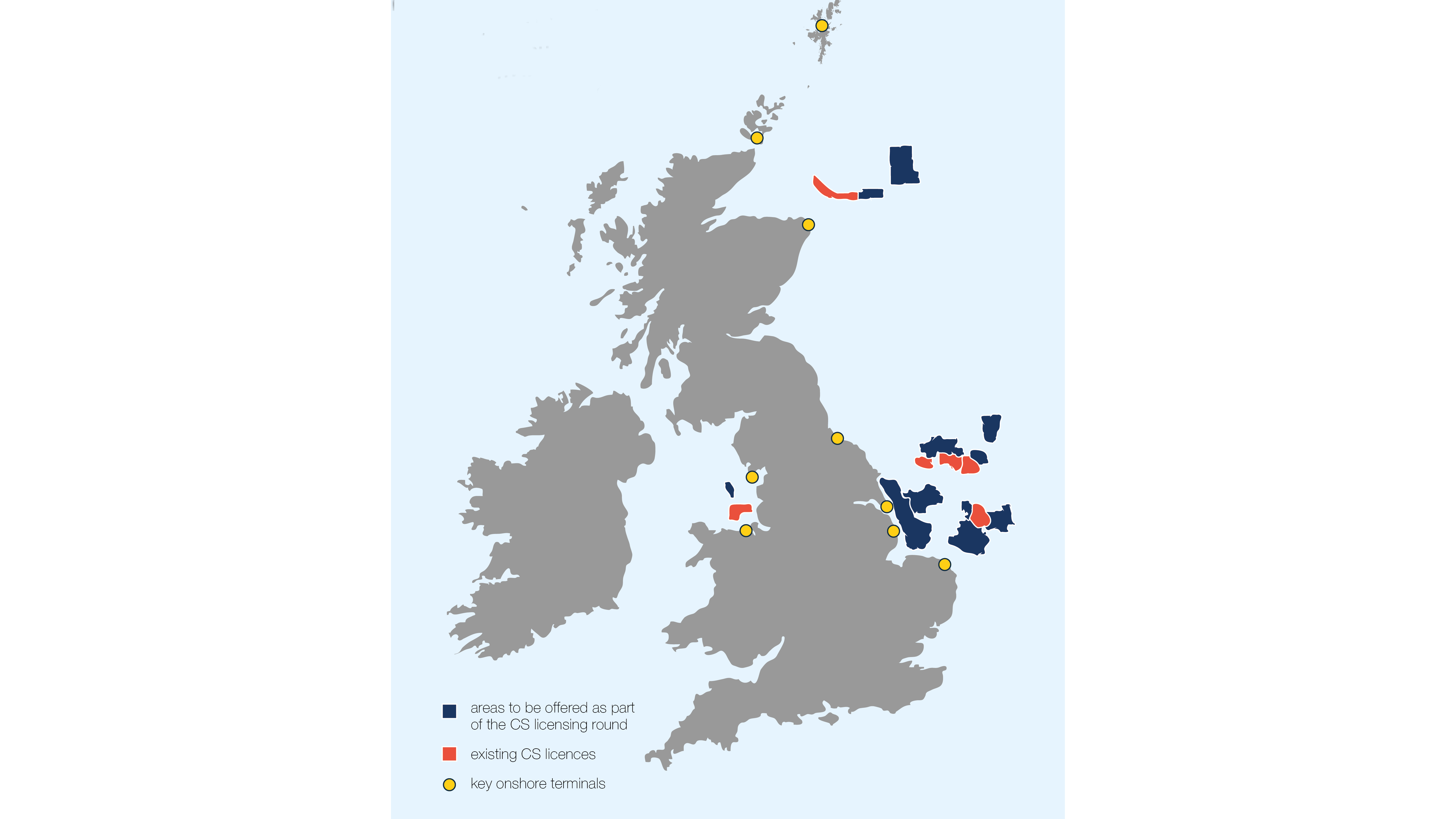
Fig 1: The UK’s first licensing round for carbon storage was launched in June 2022
Source: North Sea Transition Authority (NSTA)