


New Energy World™
New Energy World™ embraces the whole energy industry as it connects and converges to address the decarbonisation challenge. It covers progress being made across the industry, from the dynamics under way to reduce emissions in oil and gas, through improvements to the efficiency of energy conversion and use, to cutting-edge initiatives in renewable and low-carbon technologies.
Peak uncertainty – what the current debate about peak oil demand says about the energy transition
7/8/2024
10 min read
Feature

Several recent reports suggest that global oil demand either has peaked, or will peak, before 2030. On the other hand, oil supplier group OPEC+ vigorously rebuts these forecasts. Despite radically diverging visions, both sides do seem to agree about the fields of the coming battle: in emerging economies and between addition versus substitution. New Energy World Senior Editor Will Dalrymple investigates.
Two major reports published in June and July 2024 predict global oil demand to peak by the 2030s.
A near-term peak in oil demand and declining trend afterward is again displayed in the scenarios included in the 2024 BP Energy Outlook. That message is little changed since 2022. What is new this year is a slight uptick in demand forecast for the next year or two, from just under, to just over, 100mn b/d – a movement accentuated in a new graph from the International Energy Agency (IEA), Fig 1, that has been compressed horizontally compared to previous years.
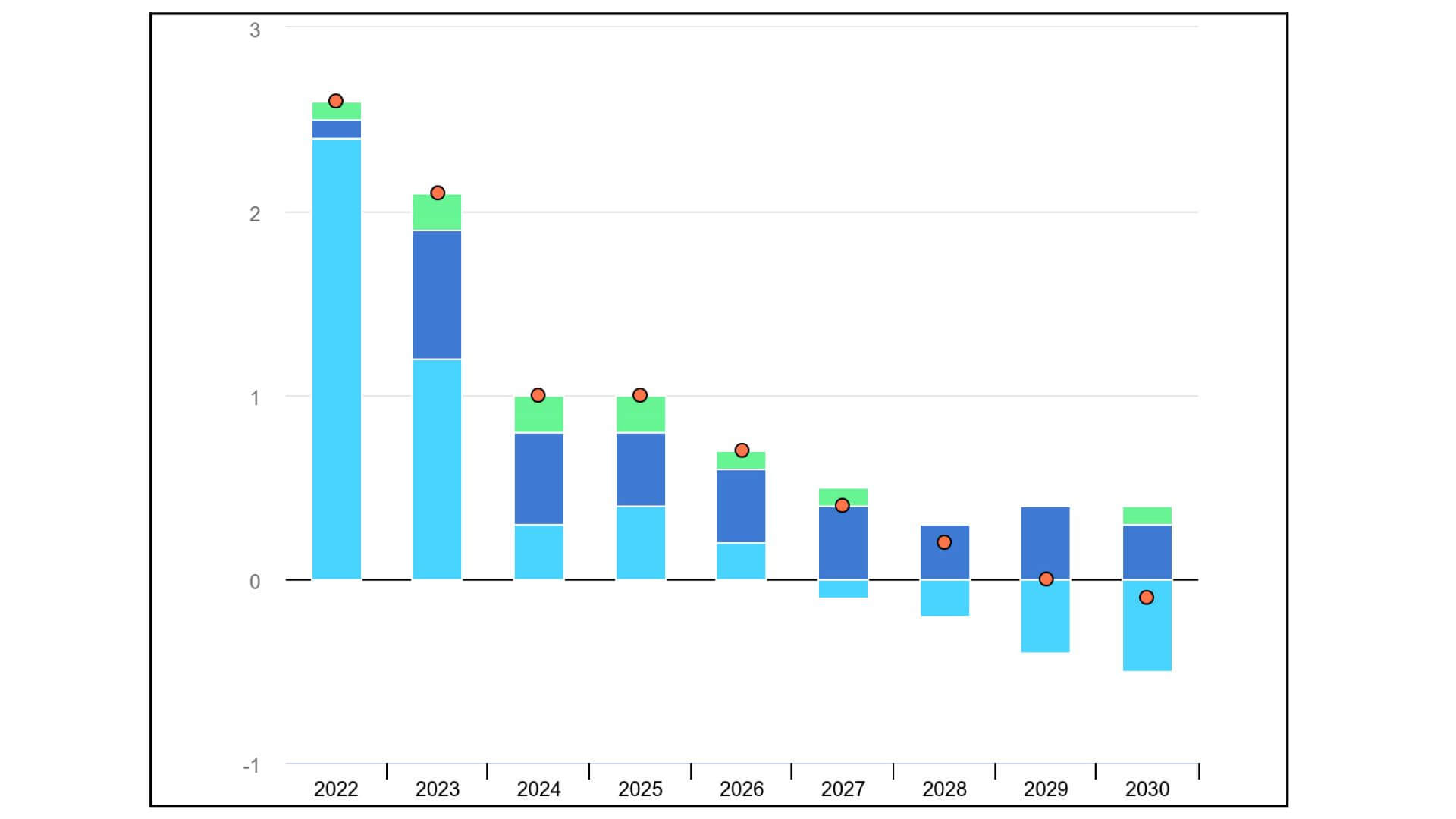 Fig 1: The International Energy Agency’s new report predicts oil demand growth to diminish to zero by 2030
Source: IEA 2024; Oil 2024, License: CC BY 4.0